

diamond pattern glass
Using a Bore Gauge An Essential Tool for Precision Measurement In the world of machining and manufacturing, precision is a key requirement. One of the critical tools that professionals utilize to ensure accuracy in their work is the bore gauge. This instrument plays a vital role in measuring the internal diameters of holes, cylinders, and other round shapes. In this article, we will delve into what a bore gauge is, its types, how to use it effectively, and its advantages in various applications. What is a Bore Gauge? A bore gauge is a precise measuring tool designed specifically for measuring the diameter of bore holes. Bore gauges come in various forms, including dial bore gauges and electronic bore gauges, each suited for different applications. They are typically calibrated in millimeters or inches and can measure with an accuracy of up to a few thousandths of an inch. Types of Bore Gauges 1. Dial Bore Gauge This type features a dial indicator that displays the measurement. It is composed of a measuring head with interchangeable ends that adapt to different bore sizes. The user expands the measuring head inside the bore and reads the measurement directly from the dial. 2. Electronic Bore Gauge This modern version uses an electronic display to show measurements. It is often more convenient, delivering faster results and sometimes even storing multiple measurements for analysis. The electronic gauge usually comes with features like data output capabilities, allowing users to connect to computers for record-keeping. 3. Tapered Bore Gauge Often used for smaller bores, this gauge has a tapered design that enables easy insertion into various bore sizes. It is less common in high-precision environments but still useful for quick checks. How to Use a Bore Gauge Effectively Using a bore gauge requires a systematic approach to ensure accuracy . Here’s a step-by-step guide on how to properly use a dial bore gauge 1. Preparation Before starting, ensure that the bore gauge is clean and calibrated. Check for any wear on the measuring heads or dial and make sure it’s free of debris. 2. Select the Correct Measuring Head Choose the appropriate measuring heads based on the bore diameter you intend to measure. This is crucial for obtaining accurate results. using bore gauge 3. Insert the Gauge Carefully insert the bore gauge into the bore you wish to measure. It is essential to ensure that the gauge is perpendicular to the bore’s surface to avoid skewed results. 4. Expand the Gauge Once inside, expand the gauge until it lightly touches the walls of the bore. Avoid too much pressure, as this can damage both the tool and the workpiece. 5. Take the Measurement Read the measurement from the dial or electronic display. For dial gauges, make sure to check that you are reading from the correct scale. 6. Repeat for Accuracy For enhanced precision, measure at multiple points within the bore, especially if it is long or if you suspect variations in diameter. 7. Record the Results Document your measurements accurately, especially if they will be used for quality control or inspection processes. Advantages of Using a Bore Gauge The bore gauge offers several advantages, making it indispensable in manufacturing and machining - Precision With the ability to measure with high accuracy, bore gauges are essential for quality control in the production of parts where internal diameters must conform to strict specifications. - Versatility Bore gauges can measure a variety of bore sizes, making them suitable for different applications across various industries. - Efficiency Using a bore gauge can significantly speed up the measurement process, enabling quicker decision-making in machining operations. - Reduced Error By utilizing a bore gauge, operators can decrease measurement errors caused by less precise tools, thus enhancing overall product quality. In conclusion, understanding how to use a bore gauge is essential for anyone involved in precision measurement within the manufacturing industry. This tool not only helps ensure that components meet specifications but also contributes to overall operational efficiency. Whether you opt for a dial or electronic version, mastering the use of a bore gauge is a step towards achieving excellence in precision engineering.
about
diamond pattern glass
Poziom ramki Kluczowe zagadnienia w zarządzaniu projektem Poziom ramki Kluczowe zagadnienia w zarządzaniu projektem W pierwszej kolejności, poziom ramki określa granice projektu, co pozwala na lepsze zrozumienie jego celów i oczekiwań. Ustalenie wyraźnych granic pozwala zespołom projektowym skupić się na kluczowych zadaniach i uniknąć niepotrzebnych rozproszeń. W tym kontekście, określenie zakresu projektu (scope) jest niezwykle ważne. Pomaga to w zdefiniowaniu, co będzie wchodzić w skład projektu, a co nie, co z kolei wpływa na planowanie zasobów i harmonogramów. frame level Kolejnym istotnym zagadnieniem związanym z poziomem ramki jest identyfikacja interesariuszy. Każdy projekt ma swoich interesariuszy, których potrzeby i oczekiwania muszą być uwzględnione na etapie planowania. Zrozumienie, kto jest zainteresowany projektem, jakie ma oczekiwania oraz w jaki sposób projekt wpłynie na ich sytuację, jest kluczowe dla jego powodzenia. Poziom ramki pozwala zatem na stworzenie odpowiedniego planu komunikacji, który zapewnia, że wszyscy interesariusze są na bieżąco informowani o postępach projektu. Następnie, poziom ramki umożliwia dostosowanie metodologii zarządzania projektem do specyfiki projektu. Różne projekty będą wymagały różnorodnych podejść i technik, co może wpływać na efektywność realizacji zadań. Na przykład, projekty badawcze mogą wymagać większej elastyczności w planowaniu, podczas gdy projekty budowlane mogą wymagać ścisłego przestrzegania harmonogramów. Podsumowując, poziom ramki jest kluczowym elementem skutecznego zarządzania projektami. Dzięki jego odpowiedniemu zdefiniowaniu i zarządzaniu, zespoły projektowe mogą lepiej koncentrować się na celach, skutecznie komunikować się z interesariuszami oraz dostosować metodyki do wymagań danego projektu. W kontekście rosnącej złożoności projektów, umiejętność zarządzania poziomem ramki staje się nieodzownym atutem w arsenale każdego menedżera projektu.
-

High quality industrial productsagement

High quality industrial products
View Details -

Meet the diverse needs of customers

Meet the diverse needs of customers
View Details -

Strict quality control

Strict quality control
View Details -

Top raw materials

Top raw materials
View Details -

Trusted supplier

Trusted supplier
View Details
Our application



news and information
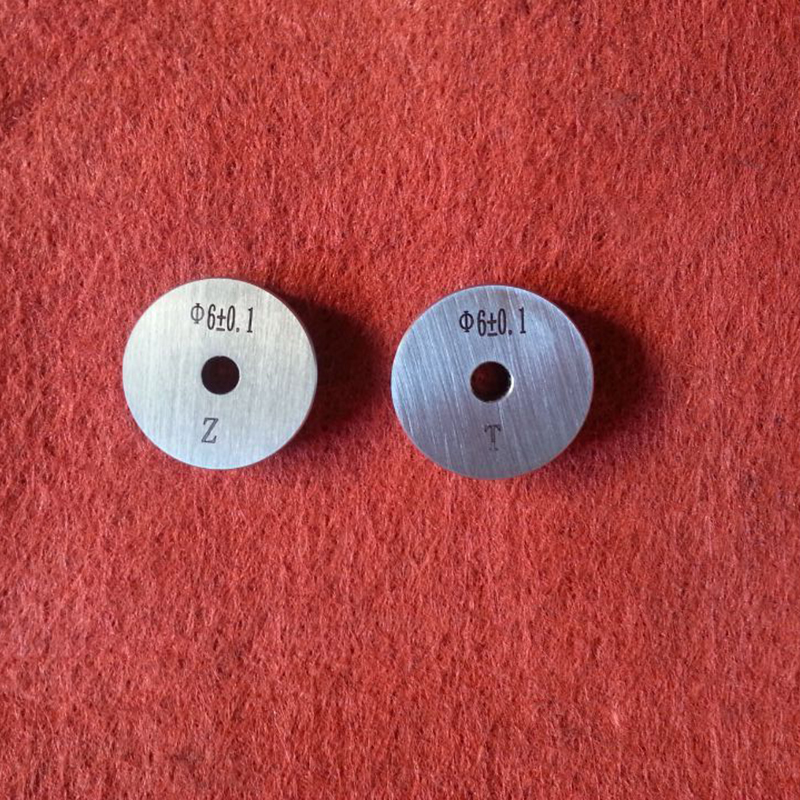
Versatile Adjustable Thread Ring Gauge for Precision Measurement and Quality Control in Manufacturin
Understanding Adjustable Thread Ring Gauges In the world of precision engineering and manufacturing,
Van cửa cổng hình vuông và ứng dụng của nó trong công nghiệp
Cửa van chặn hình vuông Giải pháp hiệu quả cho ngành công nghiệp Cửa van chặn hình vuông là một tron
Válvula de esfera de 15 mm para aplicações industriais e residenciais
Válvula Globo de 15 mm Uma Solução Eficiente para o Controle de Fluxo As válvulas globos são compone
 English